



Electric Vehicle FAQ
Common Questions about Electric Cars (evs) and Why You should consider an EV for your next car or truck
The future of the automobile industry is electric. Every year electric cars are getting better and cheaper and every year more and more consumer are purchasing electric cars. Depending on where you live, you likely see many electric cars every day. There are some key differences between electric cars and the gas powered cars that you are used to. This article will describe the major differences and go through what you should know to make an informed decision to purchase an EV.
If you have any questions about EV's or would like to talk to us about reserving a future release please call us at (208) 215-3504 or contact us online.
Looking To Learn About Electric Vehicles?
The Benefits of Electric Vehicles - Pros
Electric vehicles offer several advantages over conventional internal combustion vehicles. These include, but are not limited to: Lower operating costs, Reduced emissions, low maintenance needs, high performance, and convenience. I will go into more detail on these below.
Disadvantages of Electric Vehicles - cons
It is important to consider both sides of the equation when deciding if an EV is right for you. Despite the massive push in this country to move to a greater number of electric vehicles, there remain several potential disadvantages or cons of owning and operating an electric car. These disadvantages include finding charging stations, charging times, higher initial costs, limited driving range, and battery packs can be expensive to replace. There is no doubt that the future is electric and as both the adoption rate of EVs increase and the underlying technology matures these downsides will become less and less of a factor.
EVs cost less to operate
Electricity is much cheaper than gas when it comes to getting you from A to B. These saving can add up quickly and, according to CapitalOne, come out to be around $632 per year. These savings can be improved if you qualify for additional tax benefits your new electric car and/or charging station. Those who also install solar panels in their home may see even more savings. Where you are and the local price of electricity will play a large role in your annual savings
Cadillac EV At-Home Charging Options
With the growing popularity of electric vehicles, there is also an increasing demand for at-home charging, but what does that mean? What kind of chargers can you have in your home? Will it raise your electric bill? Who can you trust for the installation? The team at Peterson Cadillac thought we would answer some of the common questions we are asked about charging your EV at home.
What is the Charge Time with a Level 2 Charger?
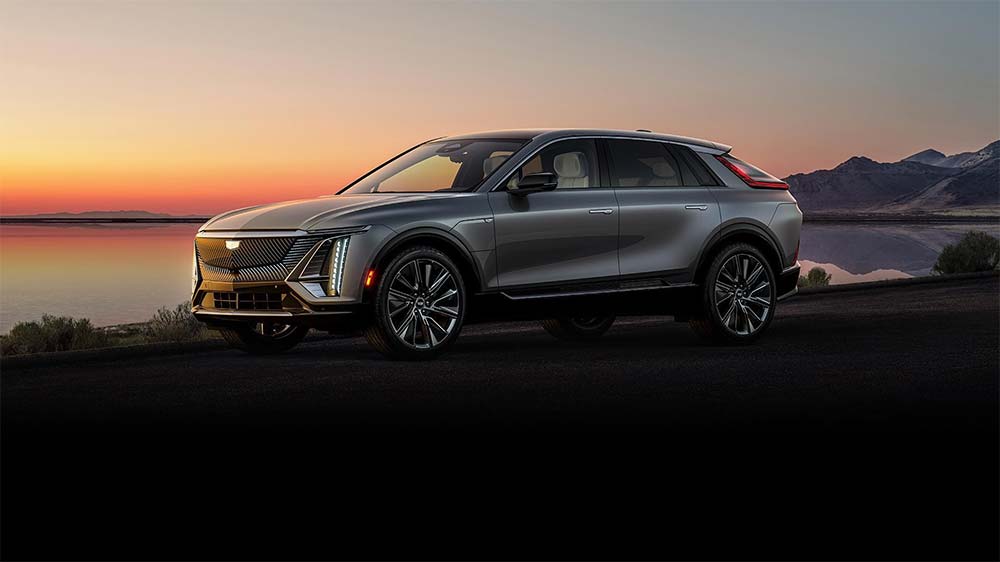
A professionally installed Level 2 charger uses 240 volts and offers 52 miles of range per hour on the all-new 2024 Cadillac LYRIQ rear-wheel drive model and up to 37 miles of range per hour of charge on all-wheel-drive models. So you can plug in your LYRIQ at the end of your day and wake up ready to go. It would take just 6 hours to completely replenish the battery of your RWD LYRIQ with this Level 2 charger.
What Charging Cord Does the LYRIQ Come With?
Every Cadillac LYRIQ comes with a dual-level charging cord that uses 240 volts or 120. This cord allows you to plug into an appliance-style 4-pronged or standard 3-prong outlet. With this charging solution, there is no installation of any additional equipment. It can also go with you on road trips to make charging away from home more accessible. With the factory charging cord, your LYRIQ will gain about 30 miles per hour of charging.
Trusted Home Charger Installation
For customers looking to install a Level 2 home charger, we here at Sherman Cadillac will help you throughout the process. Every Cadillac LYRIQ comes with a portable dual-level cordset charger, which enables customers to charge their vehicles from both 120-volt and 240-volt outlets. In addition, through the Sherman Cadillac parts department, customers can purchase 11.5 kilowatt or 19.2kW wall-mounted charging stations faster. By installing a 240-volt outlet or wall charger, customers can reduce the time it takes to charge a depleted battery from 3 days to overnight.
Is there an EV Installation Rebate?
Every customer who purchases the first-ever all-electric Cadillac LYRIQ can receive a $1,500 installation credit toward the cost of installing a Level 2 home charging unit through the Qmerit concierge service and a Qmerit certified installer. This unique offer will elevate our customers’ experience with the LYRIQ, helping them make a smoother, more transparent transition to all-electric driving. Cadillac is working with Qmerit, a nationwide network, to help owners find qualified, experienced Electric Vehicle Supply Equipment installers.
Common Questions about Electric Cars
Q: What is the range of electric cars?
The range will vary based on the model. Many 2021 models list ranges over 200 miles. The 2021 Chevy Bolt EV is rated for just over 250 miles on a full charge.
Q: Are electric vehicles really better for the environment?
Yes, although it depends on several factors. EV do not produce any significant emissions during operation and as a result are much cleaner to operate. However, producing the batteries generates a significant carbon footprint. This footprint varies widely based on the country the battery was produced in, and the type of battery. Also, the source of the electricity being used fuel the EV should also be considered into this equation. Operating an EV in a country with a higher % of renewable energy can lead to significant lifetime reduction in harmful emissions vs similar operations in a country with a higher % of gas/coal power production.
Q: How do you charge an electric vehicle?
You plug it in! The higher the voltage, the faster your car will recharge. There are currently three levels of charging. Level 1 is your standard wall outlet that produces 120 volts (US). Level 2 is a 240 volt hookup. These are your dedicated home charging stations. Level 3 chargers are considered 'fast-chargers' and offer even higher voltages and quicker charging rates. Not all cars come equipped to handle the higher voltages in these fast-chargers so you should familiarize yourself with the operating instructions for your vehicle.
Q: How long does it take to charge an electric vehicle?
This depends on several factors including the size of the batteries, the rate of charge, and even the ambient temperature. Typically, it takes several hours to a full day to completely recharge the batteries.
Q: How long do electric car batteries last?
The batteries in EVs comes with manufacturer warranties generally between 5 and 8 years. However, the current consensus is to expect a lifetime between 10 - 20 years before a replacement is needed.
Q: How much does it cost to charge an electric vehicle?
This depends on your size of your 'gas tank' (battery size), and the local price of electricity. Per afdc.energy.gov the cost per mile is about $0.04, although this can also vary on the model and how fuel efficient it is. This math roughly translates to about $9 to fully charge your vehicle. Here is a handy vehicle cost calculator that can give you a better idea of what your specific vehicle will cost you to operate.
Q: Do electric cars use oil?
EVs don’t require motor oil and so you don’t need to worry about those pesky oil changes. However, they still require some ongoing maintenance.
Q: How common are Charging stations?
Charging stations are more common in urban areas and in some states have much more than others. Below are several resources to help you find a charging station near you.
Q: How to find Electric Vehicle Charging Stations?
Here are several good resources to help you find a charging station.
Common Questions about Electric Cars
- https://en.wikipedia.org/wiki/Electric_car
- https://www.caranddriver.com/research/a32758614/electric-cars-pros-and-cons
- https://www.solarreviews.com/blog/10-pros-and-cons-of-electric-cars
- https://www.nrel.gov/news/program/2020/ev-charging-stations-continued-strong-growth-in-early-2020-nrel-report-shows.html
- https://www.statista.com/statistics/416750/number-of-electric-vehicle-charging-stations-outlets-united-states
- https://cars.usnews.com/cars-trucks/charging-your-ev-without-a-home-charger
- https://www.edfenergy.com/electric-cars/batteries
- https://afdc.energy.gov/fuels/electricity_charging_home.html
- https://afdc.energy.gov/calc
- https://www.jdpower.com/business/press-releases/2021-us-electric-vehicle-experience-evx-ownership-study
- https://www.capitalone.com/bank/money-management/life-events/do-electric-cars-save-money
- https://www.fueleconomy.gov/feg/taxevb.shtml